Sail Sand Point

Current conditions will return after SSP construction is complete …

SSP staff are working remotely through March 2026 while we complete improvements to the office. Please contact us at info@sailsandpoint.org.

Have a child attending summer camp at SSP? Here’s what to expect!

We hope you and your child are excited for summer camps to begin! Whether it’s their first time on a sailboat doing Junior Explorers or they’ve been on the water for years, our summer camps offer each camper a chance to learn new skills, make new friends, and appreciate all that Lake Washington has to offer. 

Check in, pick up, and the first day

When you come to SSP on Monday morning, you can expect a short wait at the check-in desk. We won’t start checking anyone in until 9AM exactly, but you’re welcome to come early to get acquainted with the site and enjoy the lake. We’ll confirm a few details with you and your child at the check-in desk and then they’ll head over to join their group. It’s best to have them dressed in clothes for the water to start, with layers on over those clothes. They’ll have a chance to change before the water comfort check or afterwards if they would like.
We’re requesting that our campers do not have phones out during camp at all. We understand that emergencies come up and and invite any campers with phones to keep them tucked away in their bags, but we will not be permitting campers to have them on boats or during land-based activities unless requested in advance. Smart watches are fine, as long as they do not become distracting and should only be intended for location and emergency purposes, not for entertainment or casual communication. If there is a specific need for a phone to be with a camper, please let us know either in advance or at check-in. 
All camps begin with a water comfort check. This is not a swim test but rather a way for instructors to check and see how comfortable each camper is in the water for if/when their vessel capsizes. Several camps will also begin with a capsize drill so campers are prepared if/when that happens throughout the week. Campers are in PFDs the entire time and do not need to know how to swim far, but should remain calm and not panic when in the water. 
Pick up is at 4PM each afternoon, and the location is dependent on the camp. Generally pick up will be near whichever boats the camp was using, but we’ll have a map onsite with the locations of each camp listed by the specific camp name. If you need to pick up a camper early, let us know in advance so we can get them off and water and allow them to change. 
We likely won’t communicate much with you throughout the day, so assume no news is good news! We make calls home if a camper requests it, there was an injury or illness, or if we have concerns about behavior. If something popped up during the day that we want to share with you, an instructor will wait with the camper and talk with you after camp.
After Monday’s check in, there’s no need to wait in line each morning. Just drop your camper off with their instructors in front of the office the rest of the week!

Camp preparedness: sunscreen, clothing, and weather

Each camp offers a different curriculum and each week will offer a different experience based on weather and wind, so we’re unable to make recommendations on how to dress each day. Some days have more on-land portions, and other days involve a trip across the lake or other excursion. Sometimes it’s pretty hot out and other times it’s raining, so we recommend checking the conditions before camp and bringing an extra change of clothes or a blanket if needed. We frequently check-in with campers about hydration and sunscreen reapplication during long days on the water but you know your child best, so we’d love your help with reminders each day as applicable.
Please send children to camp with sunscreen already applied.  We also request that you send them with their own bottle of sunscreen, labelled ideally, and ensure that they know how to use it. Having them practice using it thoroughly at home would help us tremendously! Our staff members encourage regular sunscreen breaks and offer reminders, but are not permitted to apply sunscreen to any camper directly, even spray.
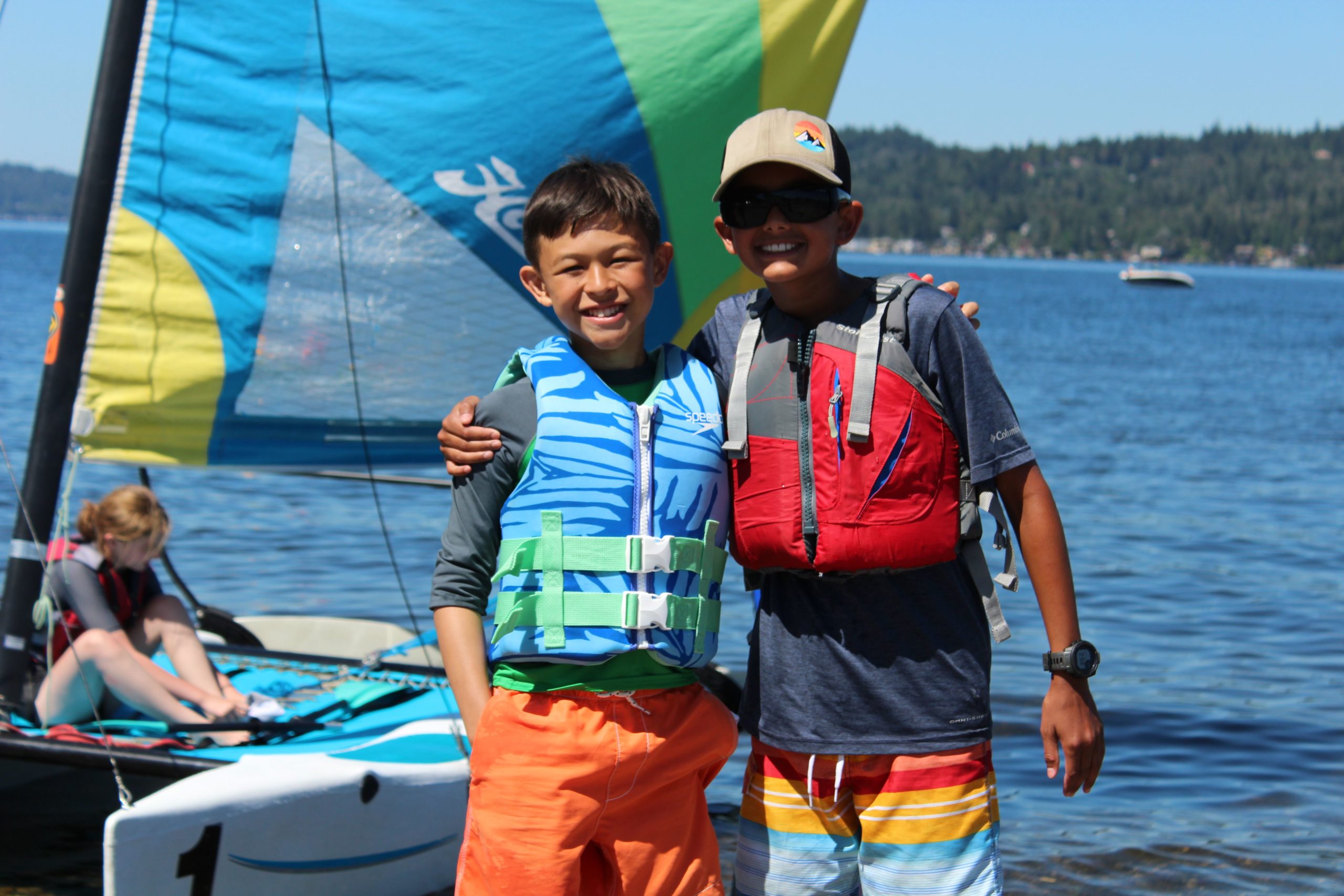
All campers should expect to get wet each day! Quick-dry clothing is recommended, as well as layers that can be added or removed. There is often a small amount of time after lunch or at the end of the day where campers are permitted to swim near the dock (life jackets required) but we will build in time for them to get changed before they head home. Any old sneakers, water shoes, or casual shoes with a back like Crocs or Keens are great as far as footwear. We just strongly request no flip flops or loose sandals. 
Long days on the lake can get hot and tiring, so each camper bringing a full water bottle is key. They can refill it onsite during lunch, and instructors will bring a water cooler on excursions. We don’t recommend campers bring a valuable water bottle, either! Depending on the boat your camper is using, instructors may need to keep water bottles on the power boat. This is not meant to restrict water and instructors will always give campers access to their bottles when requested, but the risk of a lost water bottle on many boats is quite high. Remind your camper that it is okay 100% of the time to ask the instructors for their sunscreen, water bottle, or a ride back to use the bathroom, even when they are in the middle of the lake.

Camp curriculum and teaching approach

Each day’s approach will be different based on the type of camp, the confidence level of the sailors, and the interest of the campers. Generally most days look like…
  • Morning attendance and getting ready for the water, plus a possible game or review from the day prior
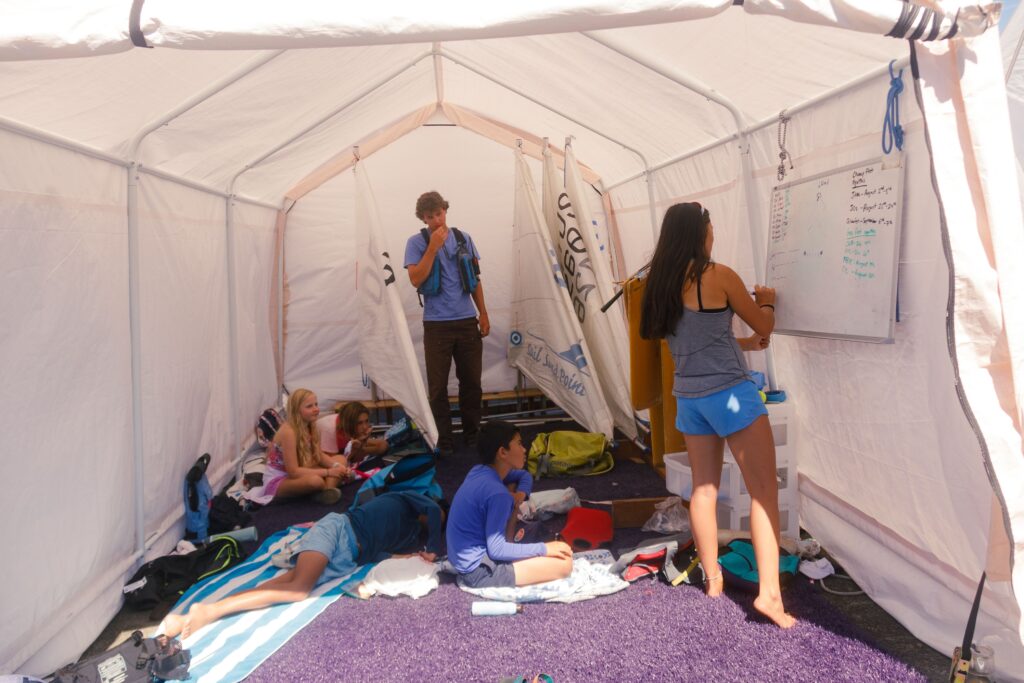
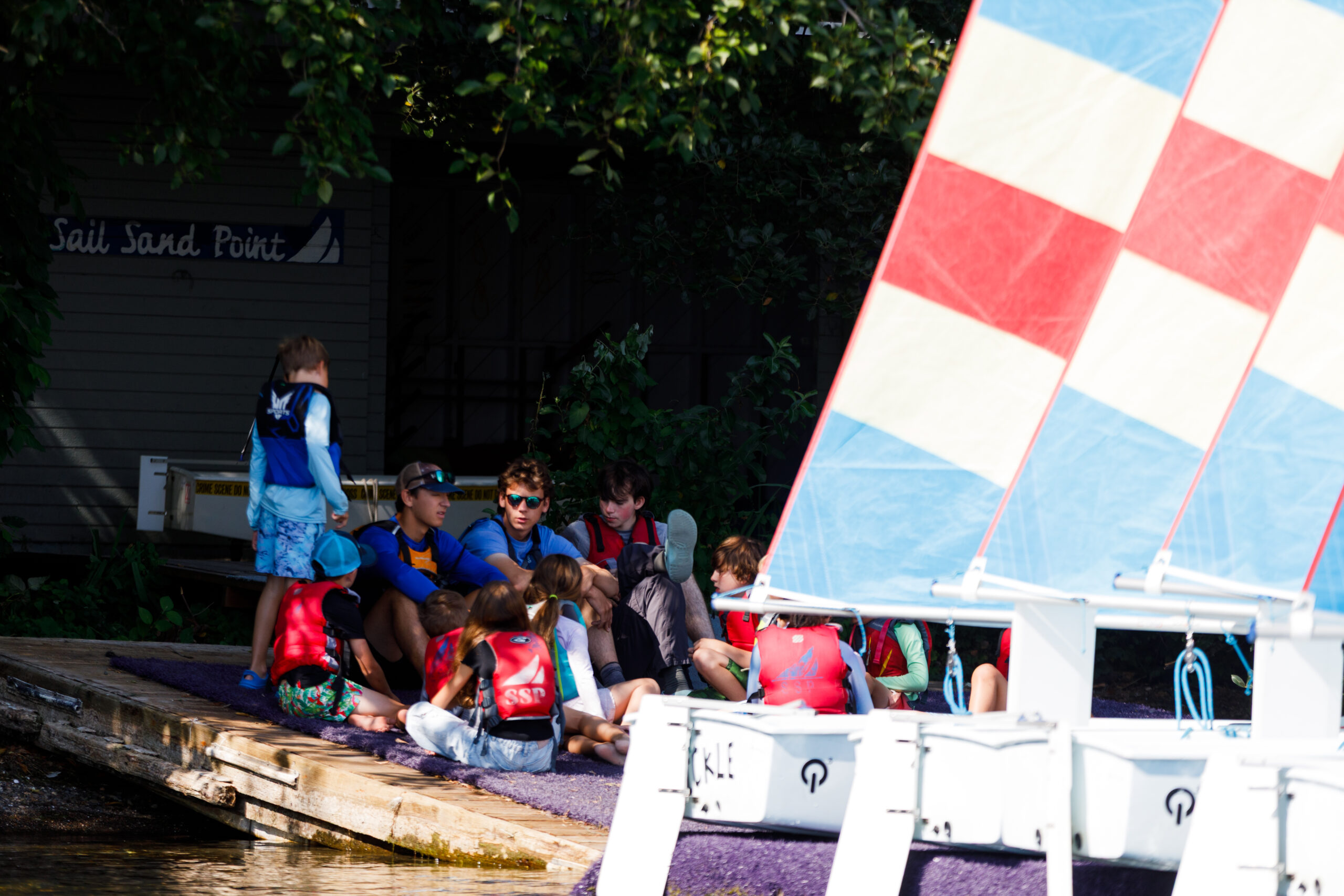
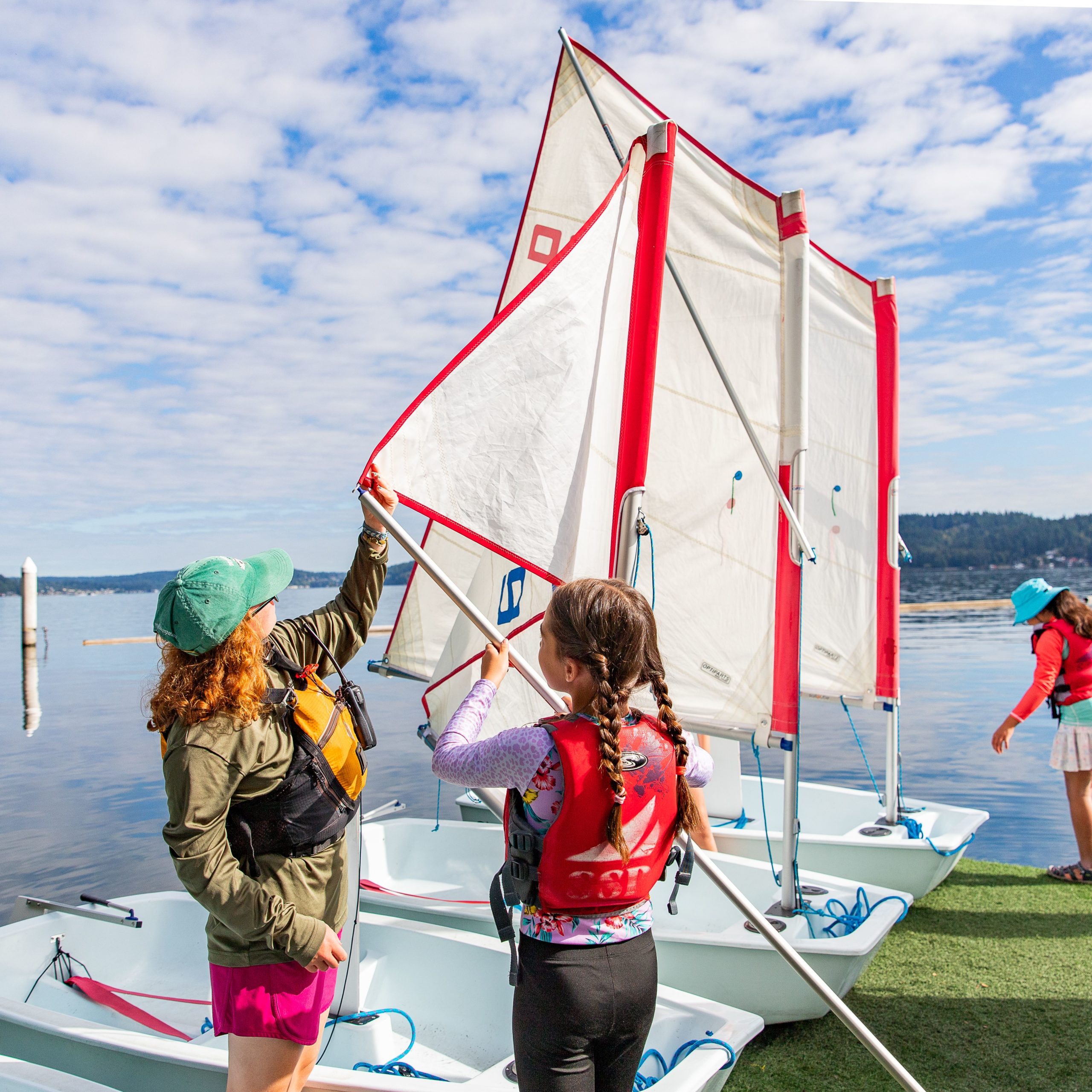
  • A “chalk talk”, or on-land session to explain sailing concepts, tactics, and rules ranging from points of sail to racing strategy. The depends heavily on the goals of the camp. Our youngest sailors will learn the very basics like the different parts of the boat and how to slow down whereas our more advanced teens might learn how to optimize boat speed
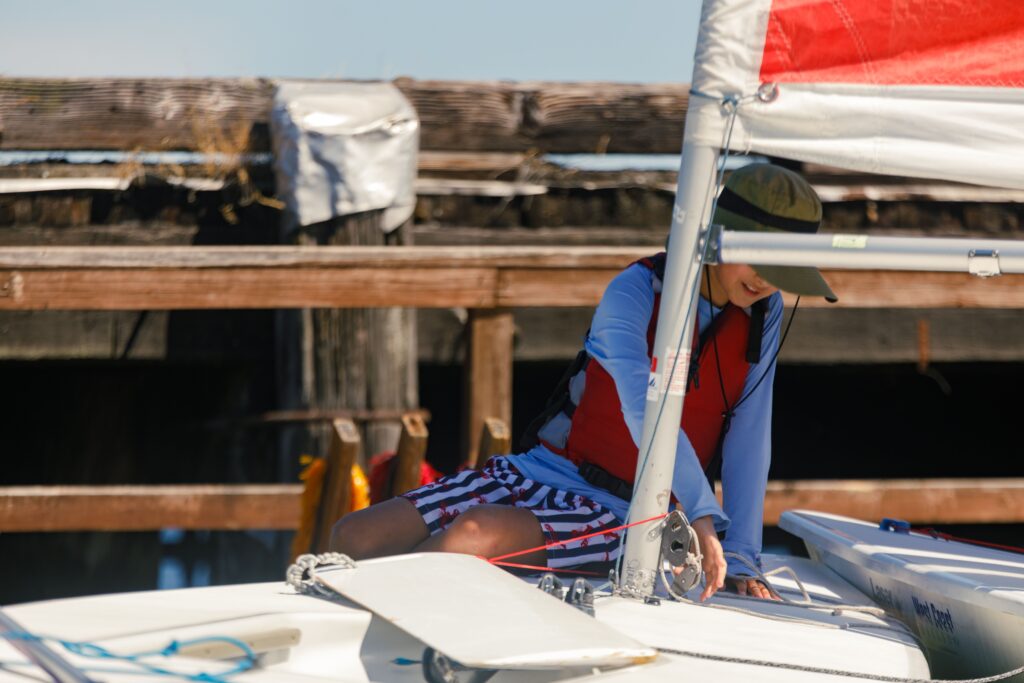
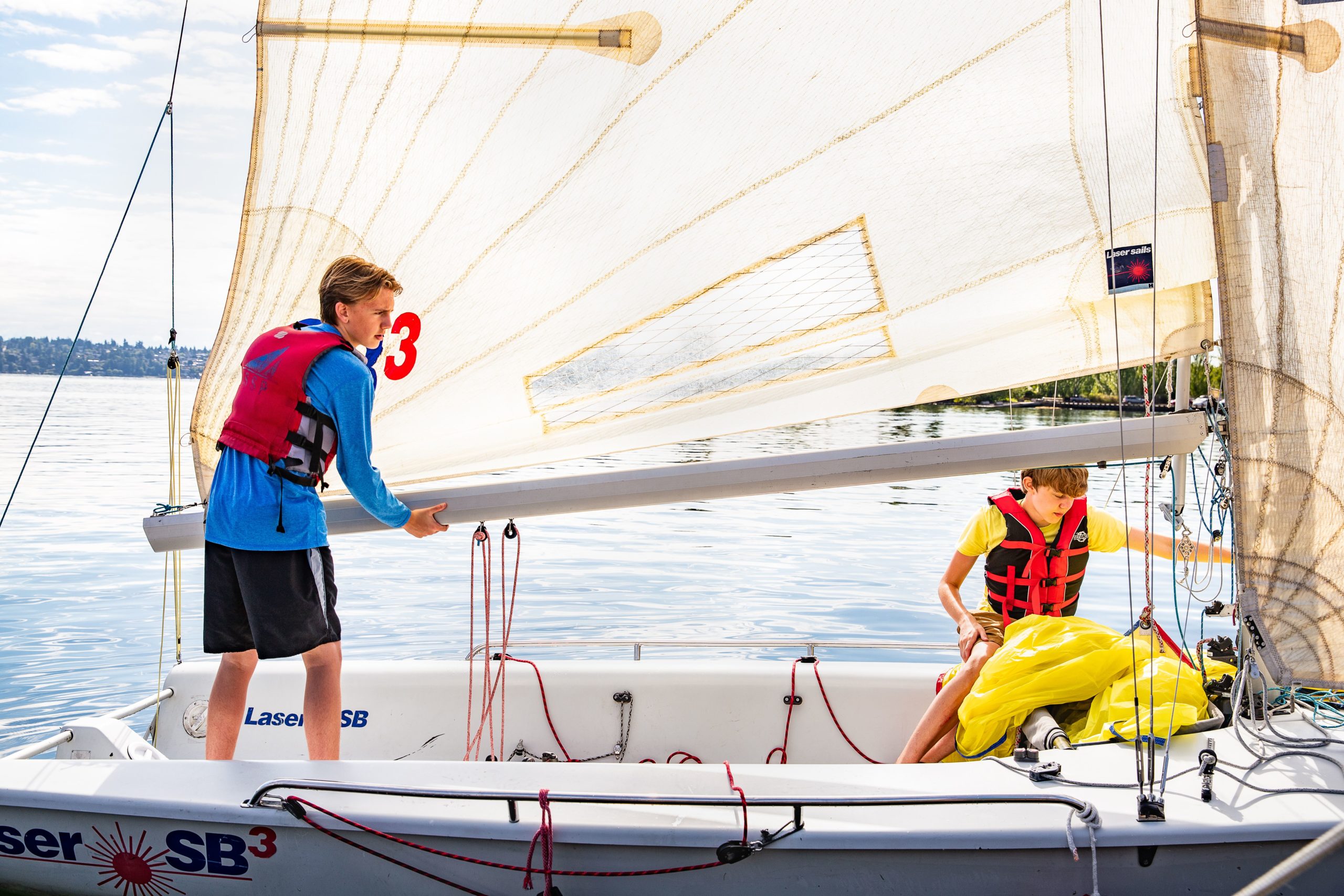
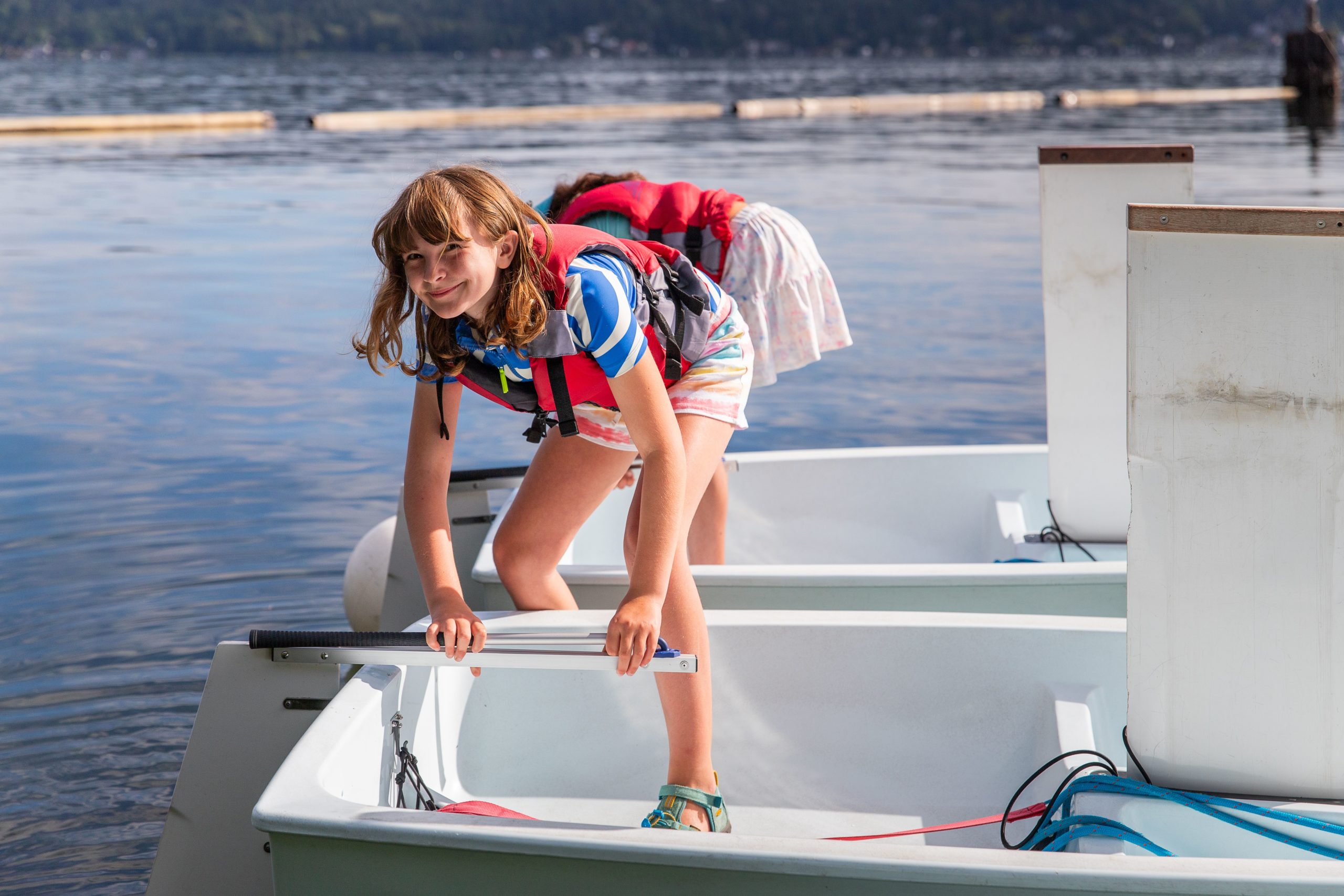
  • Rigging and launching boats
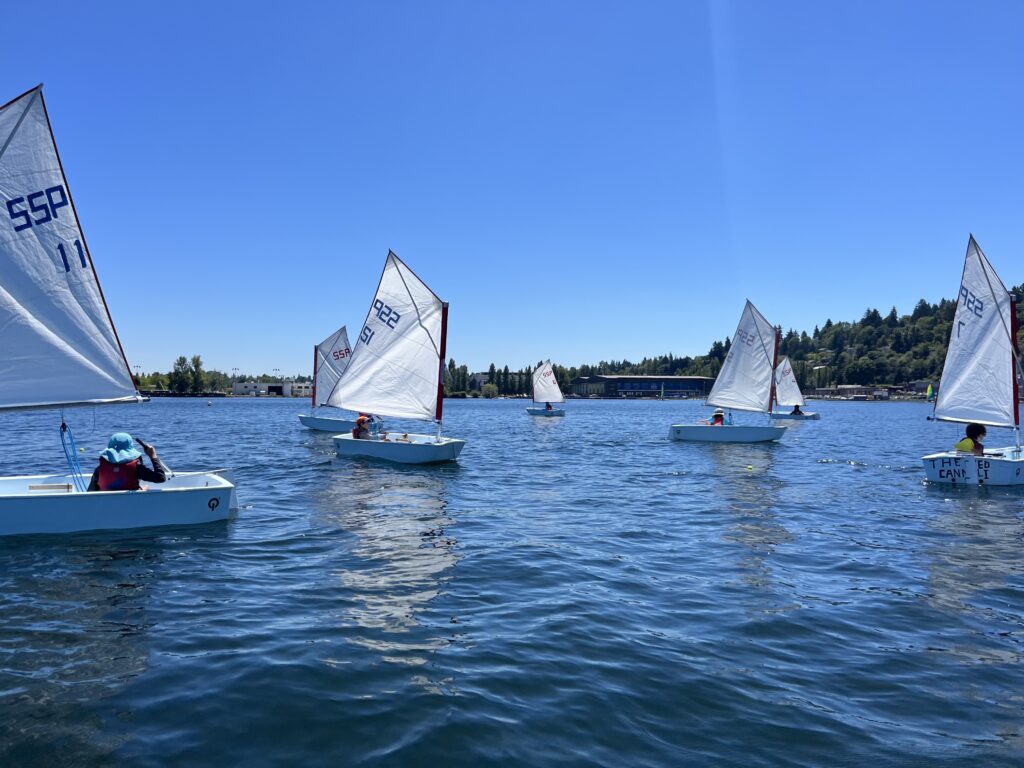
  • On the water sailing sessions, lunch, and then either a second round of on-land instruction or more time back-on the water for games, short races, or more challenging courses
  • Shore-based activities like Sailing Jeopardy and knot-tying games
  • Derigging and cleanup
Towards the end of the week, many camps will go on a longer excursion, often to a park across the lake. If the weather and wind permits, a visit to Kirkland for ice cream is an SSP tradition on Fridays! Instructors will share the next day’s plans at the end of camp with all campers if an excursion is involved. We will not formally communicate anything via email, so be sure to check with your camper or the instructor at pick up. 
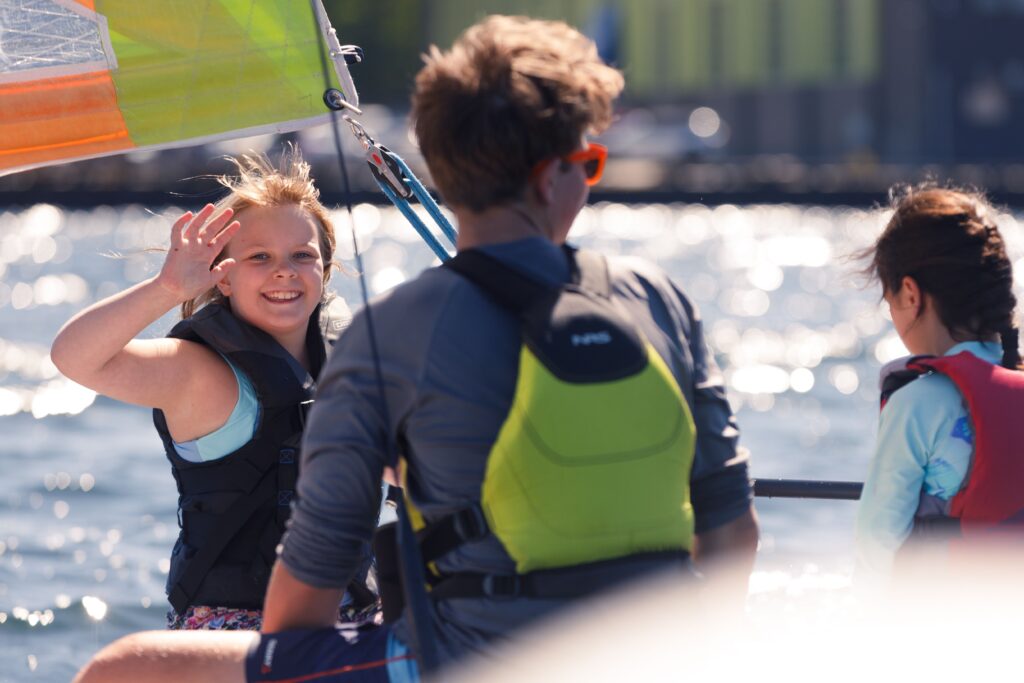
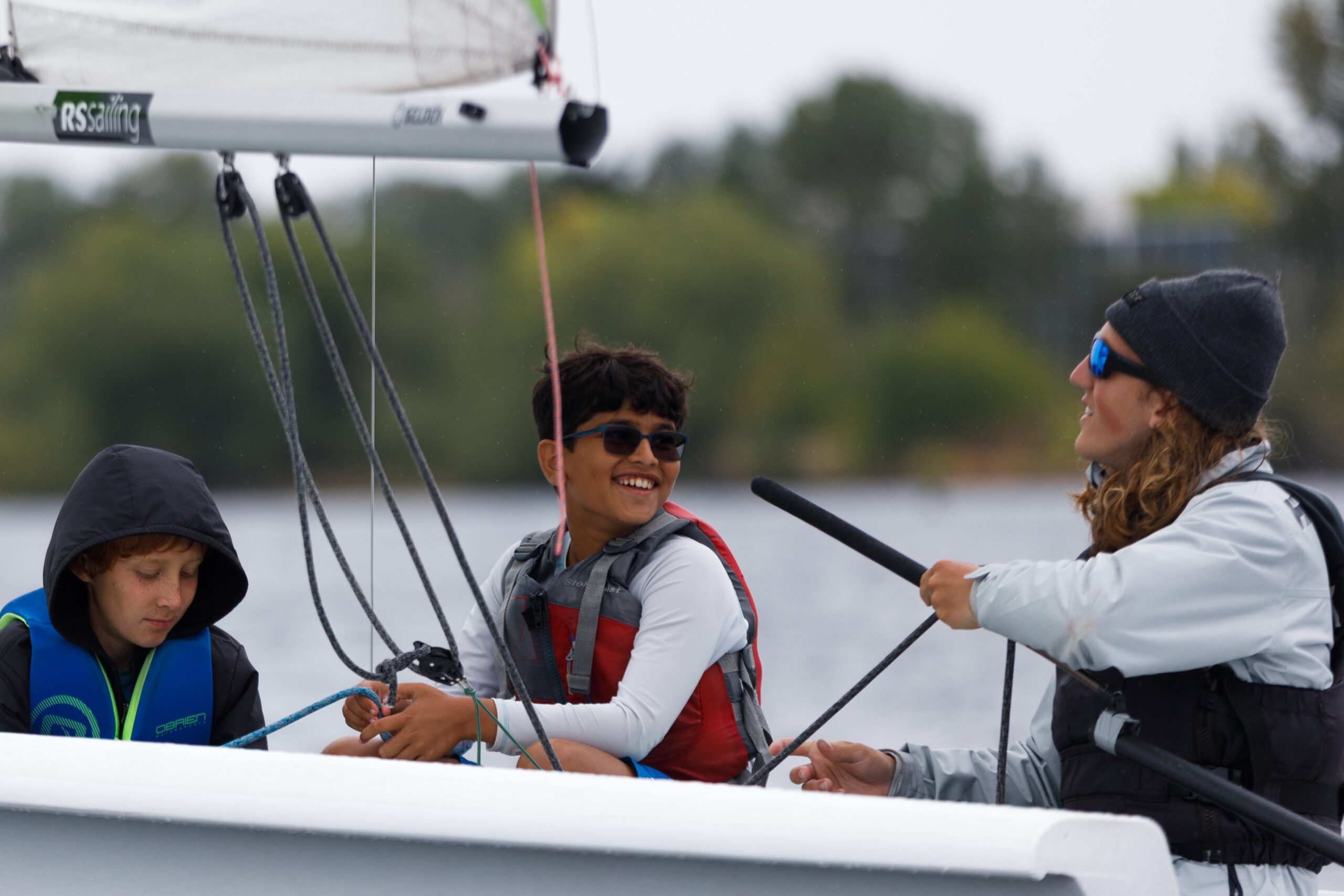
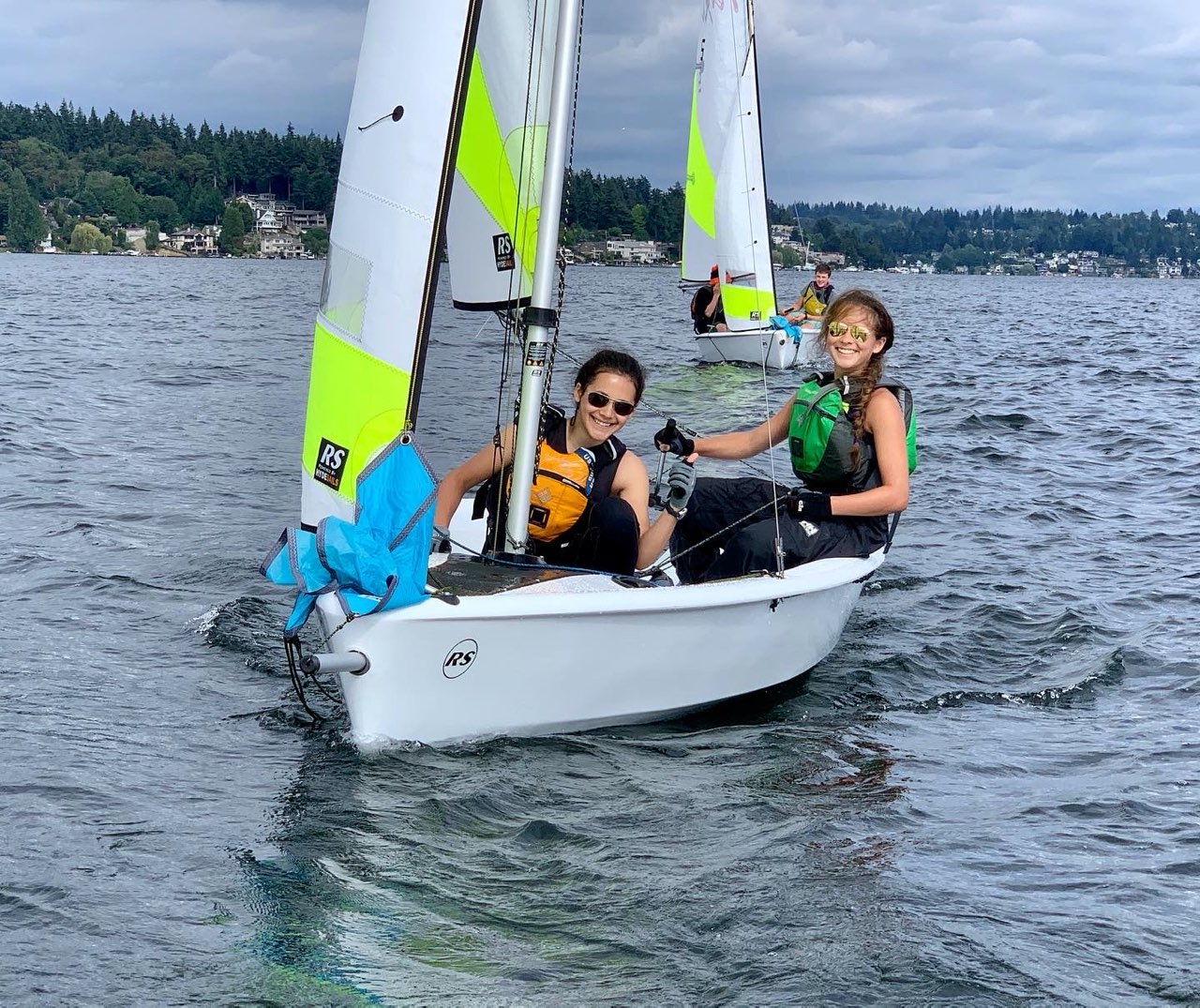
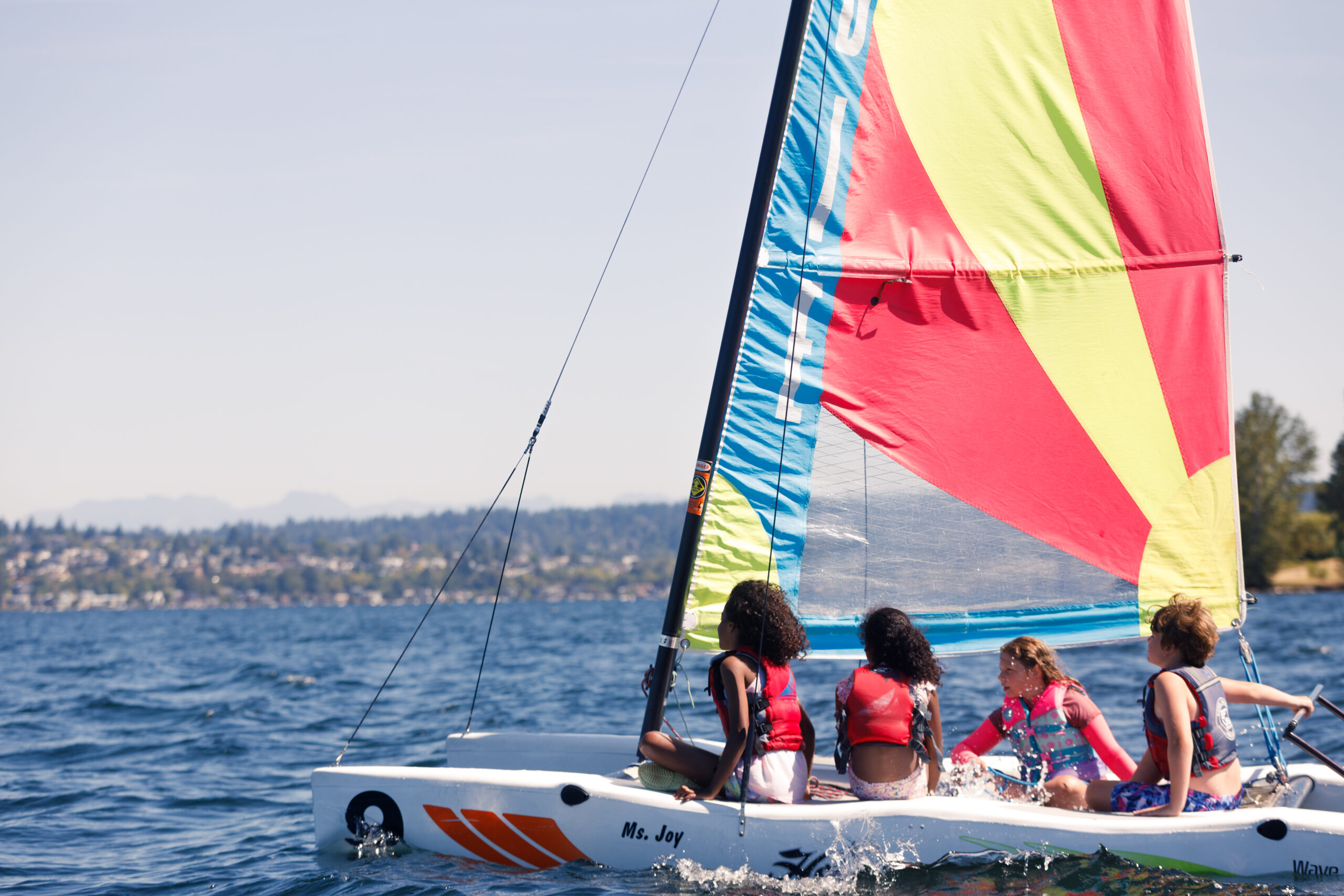
Instructors are always on the water with campers, actively teaching and supervising. In most of our camps, instructors coach from power boats as opposed to sitting in the sailboat with the campers. This teaching style allows them to keep eyes on the entire group and respond very quickly if needed, provide feedback to campers in multiple boats at once, and encourage teamwork and independence among campers. If requested or we notice a someone struggling, we will put a Junior Instructor in the sailboat with the camper(s).
Safety, fun, and learning are our top priorities, and safety falls above all else. We have multiple trained instructors on the water at all times, we use clear weather and wind protocols, and each camp has built in check-ins throughout the day. We try to make sure campers feel both supported and like they have the space to learn, grow, and make mistakes. Those mistakes can feel a bit scary, but are key to becoming confident and capable sailors.
It’s very common for campers, especially new campers, to feel nervous. High wind, tipping boats, being on the water away from parents, and learning a lot of new language can feel overwhelming. We do not expect campers to retain everything they learn each day nor do we expect to teach them everything they may want to know before they hit the water; sailing is experiential and part of the fun is to work through new challenges with the support of peers and instructors. A camper being uncomfortable is different than a camper being unsafe. Most campers who begin the week a little unsure or even leave the first day thinking about quitting end the week feeling proud, confident, and SO excited about their skills as sailors. 

What camp is and isn't, and how to set kids up for success!

SSP summer camp is active and challenging, and each camp no matter the age-group or skill level is focused on learning, teamwork, and confidence. It is not one-on-one instruction, and the nature of a camp on the water means it’s not always predictable or calm. Some days will include moments that do not feel easy. Sailing can often feel scary before it feels fun, and we aim to normalize that. 
After the first day, you can help at home by asking your camper questions about what they learned, a success they had, and encouraging them if they share that they felt nervous at times. We find that repeating “are/were you scared?”  questions don’t help, and framing getting in the boat as optional makes it tricky for us to talk through the parts that feel harder with them the next day. If the other campers in the boat make it hard for your sailor to get the most out of their experience or they don’t feel like an instructor heard them, we more than welcome feedback or a call to talk through it; we want a universally positive experience for all kids and the earlier we know, the better the week will turn out. 
If your camper is struggling, talk with us! Sometimes getting chance to sit in the boat with an instructor, getting to know a different boat, or practicing a capsize is just the thing campers need to give it another try. Like we mentioned, kids leaving camp at the end of the week thrilled that they stuck with something new and hard is something we see so often, and we want all kids to experience just how joyful sailing and small boats can be. 
All that said, we truly hope that this is a wonderful experience for your sailor! Whether they’ve been sailing for years or this is their first time on the boat, we’re excited to get to know them and help them have an experience they’ll never forget!